
Should Our Annual Report Be Digital or Print?
The answer depends on who you’re trying to reach — and the right answer is often “both.”

By Sam Mittelsteadt
Every year, the same debate resurfaces in the planning meeting: Do we print our annual report or put it online? It gets framed as a budget question, or a sustainability question, or a “what did we do last year” question. But the format isn’t really the question — your audience is. Once you know who you want to engage with the report, the format mostly answers itself.
What Print Still Does Best
Print isn’t a nostalgia play. It does specific things a screen can’t, and for some audiences it’s still the stronger choice.
- It reaches the donors who give the most. Older supporters remain many organizations’ highest-value segment, and they tend to respond to a physical piece that arrives in the mail. A report they can hold, set on a table and return to carries weight a link in an inbox doesn’t.
- It signals significance. A well-made printed report feels like an occasion. For a milestone year, a major-donor mailing or a leave-behind at an in-person meeting, the tangibility is the point.
- It doesn’t compete for attention the same way. No notifications, no tabs, no next thing one click away. Print asks for a different, slower kind of engagement.
Where Digital Pulls Ahead
For reach, flexibility and measurement, digital wins — and the gap is widening as more of your audience engages with you on a screen first.
- It’s measurable. You can see what people actually read, which stories held attention and where they dropped off — insight a printed piece can’t give you. That data can make next year’s report better.
- It can house a variety of content types. Video, animated data, interactive maps and jump-links let readers consume the information in a variety of ways. A table of contents with anchor links respects the reader who wants to focus on one section, not all 40 pages.
- It’s easier to share and to fix. A digital report travels through email, social and your website, and a typo caught after launch is a quick fix, not a reprint.
- It costs less to reach more people. Once it’s built, distributing it to 10,000 people costs roughly what it costs to reach 10.
- It reaches people print can’t. A digital report built to WCAG accessibility standards — screen reader-friendly, keyboard-navigable, properly captioned — can be read by supporters a print piece excludes. And the same structure that makes it accessible also makes it easier for search and AI tools to crawl.
The catch: Digital only works if it’s designed for the screen. A print PDF dumped online is the worst of both worlds — heavy, hard to read on a phone and unlikely to meet accessibility standards like a purpose-built digital report can. You also lose the measurement that made digital worth choosing in the first place.
Why the Answer Is Often “Both”
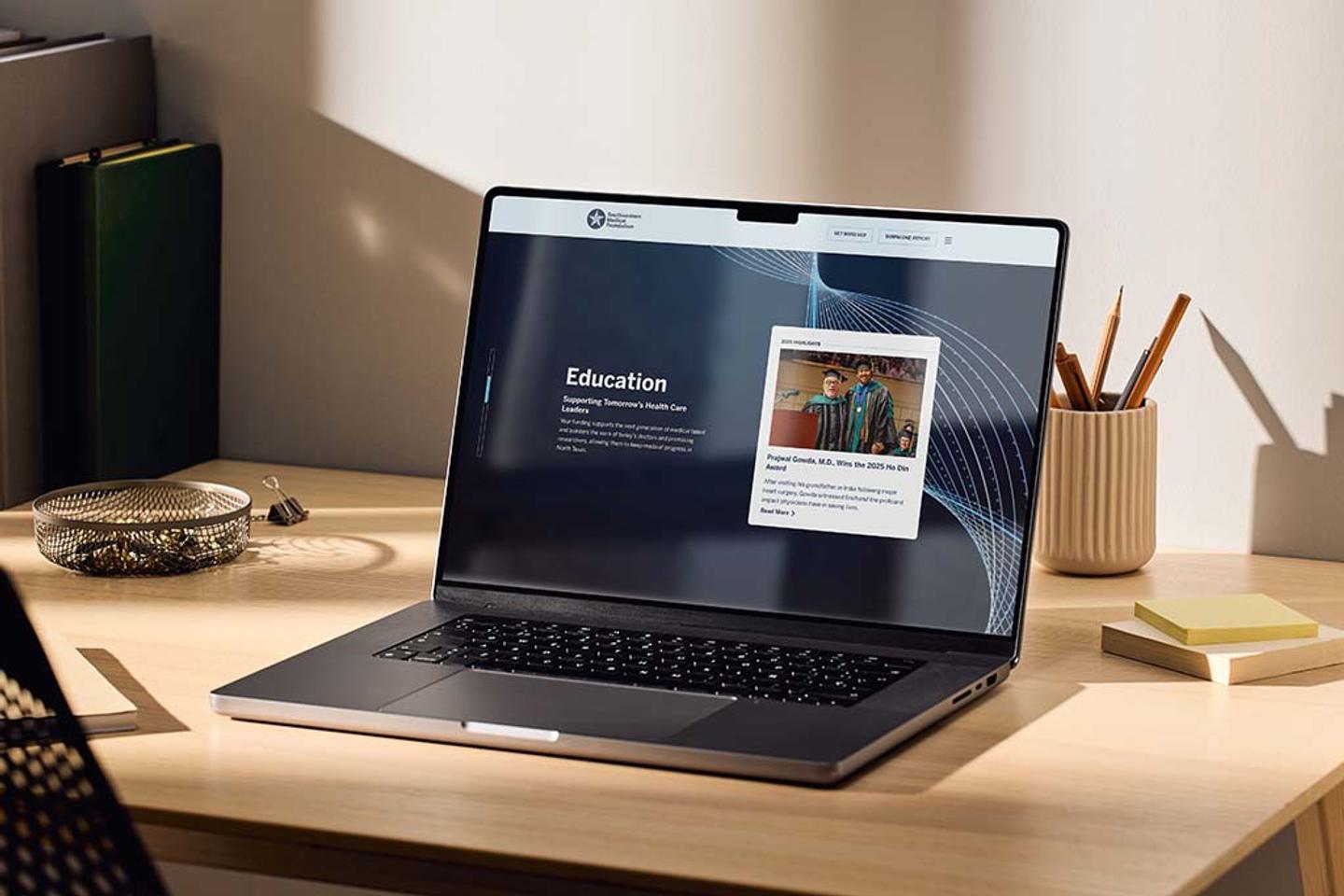
For most organizations, an annual report needn’t be an either/or situation. The strongest approach uses each format for what it’s best at: a digital report as the primary, measurable, widely shared experience, and a smaller, more selective print run for the audiences and moments that warrant it. Think: a bound keepsake for major donors and board members, a digital hub for everyone else.
How Do You Decide?
Start with three questions:
- Who do we want to see our report, and how do they take in information? If your most important audience skews older or expects something in hand, print earns its place. If they’re more apt to connect with your organization through a screen, lead with digital.
- What’s the report’s job? To steward existing major donors, a tactile piece is a smarter choice. To reach and convert a broader audience, digital’s shareability and data matter more.
- What can you realistically produce well? A great digital report beats a mediocre print one, and vice versa. Budget and timeline are part of the answer, not an afterthought — decide before you start, not once you’ve run out of both.
Build an Annual Report That Reaches the Right People
From a measurable digital experience to a keepsake print piece, C/A helps organizations pick the right format and make it count.

Sam has nearly four decades of experience as an all-rounder in marketing and editorial content. His writing, editing, proofreading and design clients have included the CBS television network, two Condé Nast magazines, The Ritz-Carlton, metro-area daily newspapers, state and county destination marketing organizations, dental education publishers and platforms, and some of the nation’s top universities and healthcare centers.
Sam is originally from Montana but rapidly approaching his 30th year as an Arizona resident. Ever since he moved to the metro Phoenix area to work at a weekly entertainment magazine, he’s been investigating the best places to eat, drink, shop and visit.